Describe a General Animal Life Cycle
In a haploid-dominant life cycle the multicellular or sometimes unicellular haploid stage is the most obvious life stage and is often multicellular. Mammals birds fish reptiles amphibians or insects.
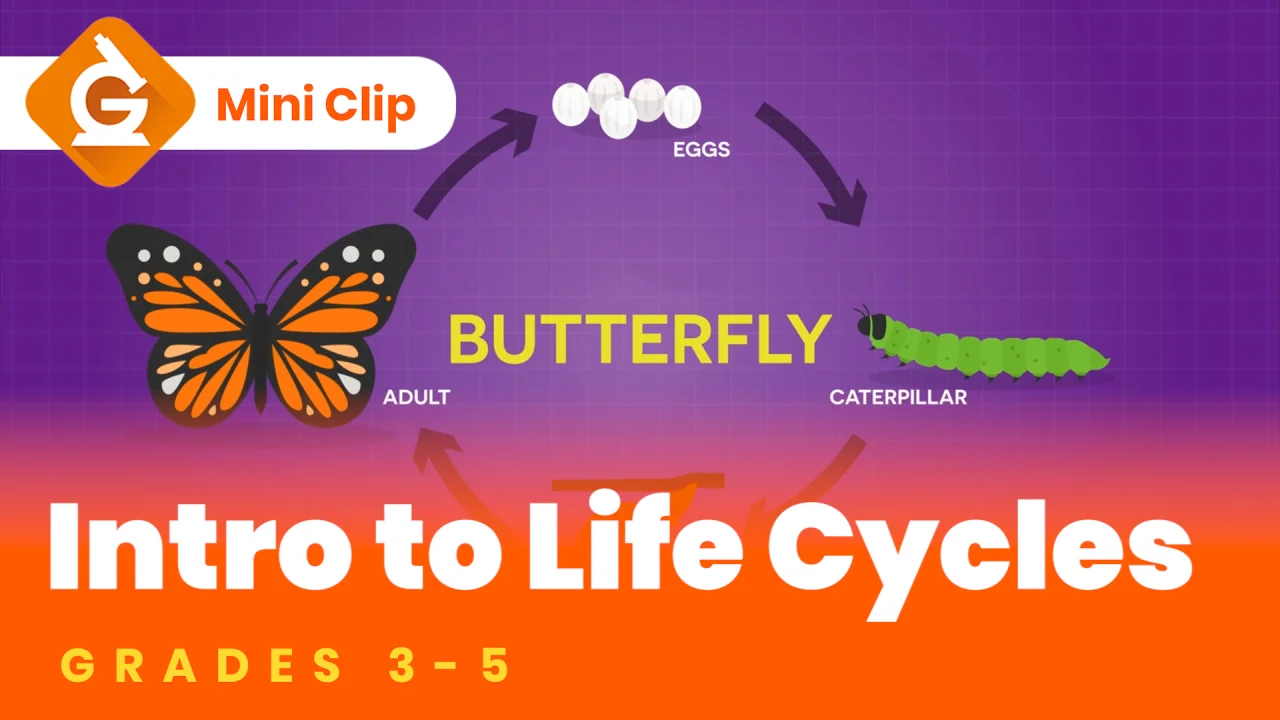
Plant And Animal Life Cycles Science Lesson For Kids Grades 3 5
Just like its meaning viruses are small infectious agents that are capable of multiplying in living cells of plants animals and bacteria.

. Life Cycle Of A Human. The plasma membrane represents the first barrier that all animal viruses have to penetrate. In fact organisms that have a haplontic life cycle are only composed of a diploid cell when they are zygotes.
Bacteriophages have a lytic or lysogenic cycle. The lytic cycle leads to the death of the host whereas the lysogenic cycle leads to integration of phage into the host genome. 3 general processes.
Life Cycle Of A Dog. The receptor sites are the proteins or glycoproteins present on membrane surface of the host cell. Baby - ToddlerChildTeenager - Adult.
Just about all animals reproduce sexually. Respiratory system exchanges gases with the environment supplying blood with O2 and disposing of CO2. Animals start from eggs or live birth then they grow up and mate.
Most animals spend the majority of their life as diploid organisms. One way is by the parent sponge budding that is to say the parent releases cells which can on their own mature into individual sponges similar to mitosis among single celled organisms. All other cells of the body are diploid and produced by mitosis.
A life cycle ends when an organism dies. The other way is by the parent sponge smoking which is the process of the male sponge. Bacteriophages inject DNA into the host cell whereas animal viruses enter by endocytosis or membrane fusion.
Animals begin life either from an egg or as a baby that is born ready for life. Some of the sperm find their way to the female and fertilize the eggs. Metabolic wastes to the kidneys.
This is the first stage in the life cycle of a fungus. A general animal life cycle is shown in Figure below. Diploid adults undergo meiosis to produce haploid sperm or eggs.
The female later releases the developed larvae. Some have more in common than others for example Describe the differences between the life cycles of plants mammals birds. They cannot survive or reproduce outside the body of the.
The male sponge releases a cloud of sperm in a process called smoking. Life Cycle of an Animal. Lets see how viruses obviate the barriers.
Life Cycle Of An Ape. The diploid organism produces haploid sex cells by meiosis. The series of stages in form and functional activity through which an organism passes between successive recurrences of a specified primary stage.
The nuclear membrane represents the second barrier to some viruses that replicate their genome in the nucleus. Baby - Young Ape - Adult Ape. The virus life cycle can.
Baby animals grow and change into adolescents and eventually become adults. A virus is made of DNA or RNA genome inside a protein shell known as a capsid. What are 3 general processes that affect the cellularity singlemulti and ploidy haploiddiploid.
A life cycle is defined as the developmental stages that occur during an organisms lifetime. The organism is diploid and there is no alternation of generations. Humans and most animals have this type of life cycle.
It is accomplished into the following stages. Life-cycles vary in time depending on the species of animal and can be as short as just a few weeks for insects to up to 200 years for sea urchins. Adult animals look for a mate to begin the life cycle all over again with new babies.
The lytic cycle leads to the death of the host whereas the lysogenic cycle leads to integration of phage into the host genome. General Life Cycle of Animals Many animals have a relatively simple life cycle. Life Cycle Of An Elephant.
The life cycles of plants and animals Describe the similarities between the life cycles of plants mammals birds amphibians and insects. Puppy - Young Dog - Adult Dog. In general plants and.
Foal - Yearling - Adult Horse. Life Cycle Of A Horse. The attachment sites of one group of.
In this type of life cycle the single-celled zygote is the only diploid cell. These spores migrate far distances through air by grabbing on to other organisms on the way. - animal fungi and plants - 4 major plant groups.
All types of plants and animals reproduce to create their offspring. Different Mammal Life Cycles. Be able to compare and contrast eukaryotic sexual life cycles.
Most animals including humans have a diplontic sexual life cycle. Calf - Young Elephant also called a calf - Adult Elephant. Integumentary system protects against physical injury infection excessive heat or cold and drying out.
Definition of life cycle. Bacteriophages inject DNA into the host cell whereas animal viruses enter by endocytosis or membrane fusion. Virulent phages typically lead to the death of the cell through cell lysis.
2n- divide into. Up to 24 cash back Observe and describe the growth and development of at least one living animal as the animal develops from early to more advanced stages. Understand terms and be able to put them in appropriate order.
The life of a sponge can start one of two ways. Animal viruses like bacteriophages posses the attachment sites with the help of which it attaches to the receptor sites present on host cell surface. Circulatory system delivers O2 and nutrients to body cells and transports CO2 to the lungs and.
In multicellular animals the life cycle consists of a single generation. All fungi begin their life cycle in this stage. Haplontic Life Cycle Cells that spend the majority of their lives in a haploid phase are considered to have a haplontic sexual life cycle.
Bacteriophages have a lytic or lysogenic cycle. A new diploid organism is created by the fusion of male and female sex cells during fertilization. Fungi and some algae have this type of life cycle.
The life-cycle of an animal includes all of the stages from the end of the last generation to the beginning of the next. The life cycle of bacteriophages has been a good model for understanding how viruses affect the cells they infect since similar processes have been observed for eukaryotic viruses which can cause immediate death of the cell or establish a latent or chronic infection. The animals should be from one or more of the following groups.
The virus life cycle can be divided into three stagesentry genome replication and exit Fig. In the beginning all spores are haploid which means that they have only a single copy of their entire genetic material. Virus is a Latin word which means poison or slimy liquid.
Despite the time differences all animal cycles begin with the growth and.

Animal Life Cycles Lesson For Kids Video Lesson Transcript Study Com
Animal Life Cycles Unit Animal Life Cycles Life Cycles Life Cycles Activities
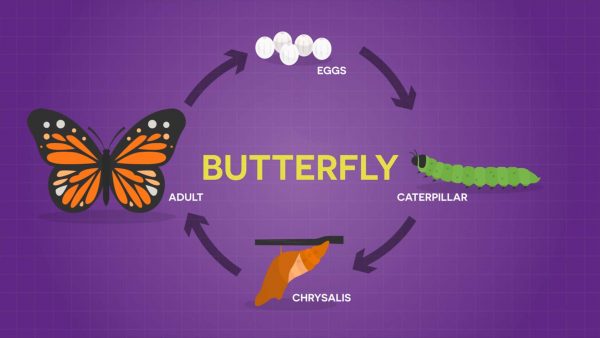
Plant And Animal Life Cycles Science Lesson For Kids Grades 3 5


Comments
Post a Comment